
Ground Screws & Helical Piles vs Concrete Foundations

Kent, Sussex & South East London

Ground screws and helical piles are increasingly used across Kent, East Sussex, West Sussex, and South East London as a modern alternative to traditional concrete foundations. They are particularly well suited to the soil conditions, access constraints, and planning requirements commonly found in the South East of England.

Why Ground Screws & Helical Piles Are Ideal for Kent, Sussex & SE London

Faster Installation Across the South East

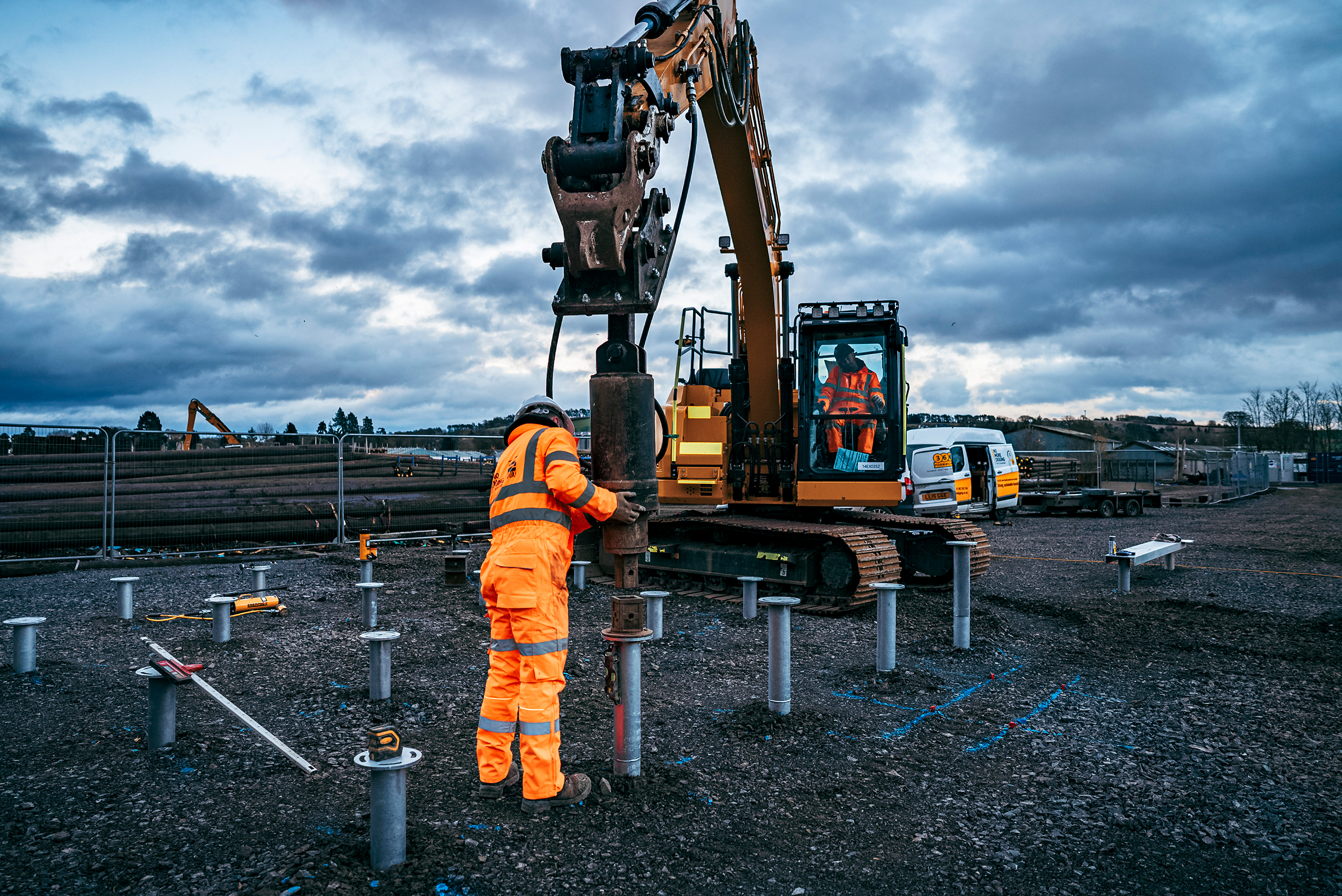
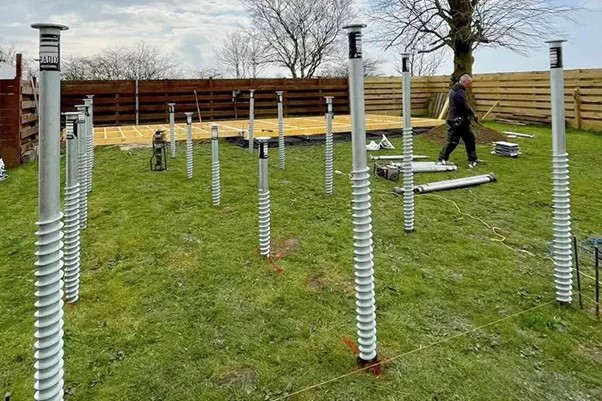
Ground screws and helical piles can be installed in hours rather than days, making them ideal for projects in:

  • Residential areas of Bromley, Greenwich, Lewisham, Bexley
  • Coastal and rural sites in Kent and Sussex
  • Tight-access urban locations in South East London
  • There is no excavation, no concrete pouring, and no curing time, allowing immediate construction.
Excellent Performance in Local Soil Conditions

The South East of England is dominated by clay-heavy soils, including London Clay, Weald Clay, and chalk layers.

  • Ground screws and helical piles:
  • Perform exceptionally well in shrink–swell clay soils
  • Reduce the risk of ground heave and movement

Are ideal for Kent and Sussex chalk and mixed ground Concrete foundations in these areas often require deeper excavation and additional reinforcement.

Lower Environmental Impact for Sensitive Sites

Many sites in Kent and Sussex are located near:

  • Conservation areas
  • Green Belt land
  • AONBs (Areas of Outstanding Natural Beauty)

Ground screw and helical pile foundations:

  • Require no concrete
  • Produce minimal spoil
  • Cause very little ground disturbance
  • Can be fully removed and reused

This makes them ideal for planning-sensitive and environmentally conscious projects.

Perfect for Restricted & Urban Access in SE London

In areas such as Dulwich, Peckham, Orpington, Beckenham, and Blackheath, access can be limited.

Ground screws and helical piles:

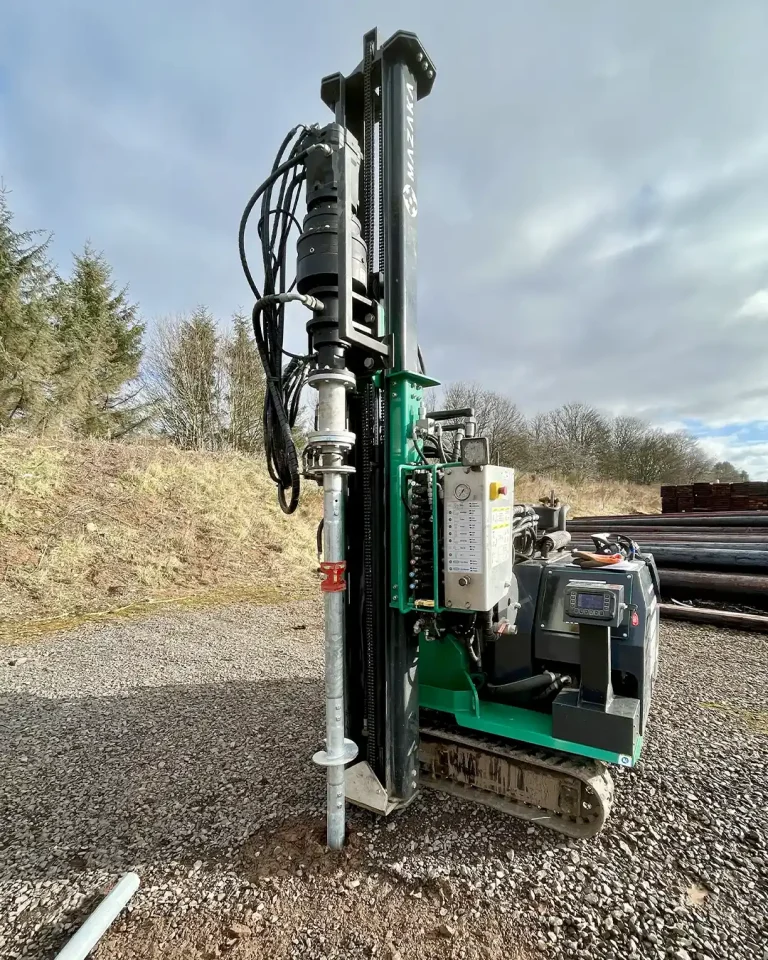
  • Can be installed with compact machinery
  • Avoid the need for skips and spoil removal
  • Reduce noise, mess, and disruption to neighbours
  • Concrete foundations often struggle in these environments.

Reliable Year-Round Installation

Unlike concrete, ground screws and helical piles can be installed in:

  • Wet conditions common in Kent and Sussex
  • Cold winter months across the South East
  • Areas with high water tables near the coast

This reduces delays and keeps projects on schedule.

Cost-Effective Foundations in the South East

Although unit costs may appear similar, overall project costs are often lower due to:

  • Faster installation
  • Reduced labour and plant hire
  • No concrete deliveries or waste removal
  • Shorter construction programmes

This is especially valuable in South East London, where labour and access costs are higher.

Ideal for Sloping & Uneven Land

Many sites in Kent and Sussex feature sloping or uneven terrain.

Ground screws and helical piles:

  • Adapt easily to changes in level
  • Avoid costly ground levelling
  • Reduce the need for retaining structures

High Load Capacity for Domestic & Commercial Projects

Helical piles and ground screws are suitable for:

  • House extensions and new builds in Kent and Sussex
  • Garden rooms and annexes in SE London
  • Modular and commercial buildings across the South East

Torque-controlled installation confirms load capacity on site, providing confidence for Building Control approval.

Building Control Acceptance in the South East

Ground screws and helical piles are widely accepted by Building Control authorities in Kent, Sussex, and

South East London when supported by:

  • Structural calculations Manufacturer certification
  • Installation and load test data

Removable & Future-Proof Foundations

Ground screws and helical piles can be:

  • Removed with minimal impact
  • Reused for future developments
  • Ideal for temporary or modular buildings
  • Concrete foundations are permanent and costly to remove.

Ground Screw & Helical Pile Installations in Kent, Sussex & SE London

Ground screws and helical piles provide a faster, cleaner, and more reliable foundation solution for

projects throughout Kent, East Sussex, West Sussex, and South East London.

They are particularly well suited to:

Clay and chalk soils

Urban and restricted-access sites

Ground Screws UK – Frequently Asked Questions

Domestic & Commercial Applications

What are ground screws?

Ground screws (also known as screw pile foundations) are steel foundations that are mechanically screwed into the ground to support structures without the need for concrete. They provide a fast, strong, and environmentally friendly alternative to traditional concrete foundations in the UK.

Ground Screws for Domestic Projects

Are ground screws suitable for residential use?

Yes. Ground screws are ideal for domestic projects across the UK, including garden rooms, decking, sheds, extensions, pergolas, and annexes. They offer a clean and quick foundation solution with minimal disruption to your garden or property.

Do ground screws require planning permission for domestic projects?

Ground screws themselves do not require planning permission. However, the structure being installed may require planning permission depending on size, height, and location. Always check with your local planning authority.

Are ground screws compliant with UK Building Regulations for homes?

Yes. When designed and installed correctly, ground screws can comply with UK Building Regulations Structural calculations may be required for habitable or load-bearing residential buildings and may need approval from Building Control.

Can ground screws be used in UK clay soil?

Yes. Ground screws perform particularly well in clay soil, which is common in the UK. Unlike concrete, they reduce issues related to ground heave and shrinkage caused by seasonal moisture changes.

How long do ground screw foundations last?

Domestic ground screws are typically manufactured from hot-dip galvanised steel and are designed to last 50–100 years, depending on soil conditions and corrosion protection.

Are ground screws cheaper than concrete foundations for homes?

In many domestic projects, ground screws are cost-effective due to reduced labour, no excavation, no concrete, and faster installation. Overall project costs are often lower than traditional concrete foundations.

Ground Screws for Commercial Projects

Ground Screws for Commercial Projects

Are ground screws suitable for commercial and industrial buildings?

Yes. Ground screws are widely used in commercial construction across the UK for modular buildings, offices, schools, retail units, solar farms, walkways, and infrastructure projects.

Are ground screw foundations approved by UK Building Control?

Ground screws are increasingly accepted by UK Building Control authorities when supported by engineering calculations, load testing, and manufacturer certification (UKCA or CE marking).

Can ground screws support heavy loads?

Yes. Commercial ground screw systems are engineered to support significant vertical and lateral loads. Load capacity is confirmed through torque-controlled installation and, where required, on-site testing.

Are ground screws suitable for temporary or modular buildings?

Absolutely. Ground screws are ideal for temporary and modular structures as they can be installed quickly, removed easily, and reused with minimal environmental impact.

Do commercial projects require a ground investigation?

For most commercial installations, a ground investigation or torque testing is recommended to confirm soil conditions and load-bearing capacity in accordance with structural design requirements.

General Ground Screw FAQs (Domestic & Commercial)

Are ground screws suitable for all UK soil types?

Ground screws are suitable for most UK soil conditions, including clay, sand, chalk, and loam. Specialist screws and coatings are available for challenging ground, made-up land, or coastal environments.

How deep are ground screws installed in the UK?

Ground screw depth typically ranges from 700mm to 2,500mm, depending on soil conditions, frost protection, and load requirements.

How long does ground screw installation take?

Most ground screw installations in the UK are completed within one day, often in just a few hours. Structures can be built immediately after installation as no curing time is required.

Can ground screws be installed in wet or cold weather?

Yes. Ground screws can be installed year-round in UK weather conditions, including rain and frost, as long as the site is accessible and safe.

Are ground screws environmentally friendly?

Yes. Ground screws are a sustainable foundation solution. They eliminate the need for concrete, reduce carbon emissions, minimise ground disturbance, and can be fully removed and recycled.

Can ground screws be used on sloping or uneven ground?

Yes. Ground screws are ideal for sloping sites as they can be installed at varying heights without excavation or ground levelling.

Can ground screws be removed or reused?

Yes. One of the major advantages of ground screw foundations is that they are fully removable and reusable, making them suitable for both permanent and temporary structures.

How much do ground screws cost in the UK?

The cost of ground screw foundations depends on project size, soil conditions, access, and load requirements. While unit costs may be higher than concrete, overall installation costs are often lower due to speed and reduced labour.

Who should install ground screws?

Ground screws should always be installed by trained and certified ground screw installers using specialist machinery to ensure correct alignment, depth, and load performance.

What can ground screws support?

Ground screws can be used for:

  • Garden rooms and home offices Decking and patios
  • House extensions and conservatories
  • Modular and prefabricated buildings
  • Commercial offices and retail units
  • Solar panel installations
  • Fencing, walkways, and signage

Looking for ground screw installation in the UK?

Ground screw foundations offer a fast, reliable, and eco-friendly alternative to concrete for both domestic and commercial projects.

Helical Piles UK & Screw Pile Foundations – Frequently Asked Questions

Helical piles, also known as screw piles, are a modern, efficient, and environmentally friendly foundation solution used across the UK for domestic and commercial construction projects. Below are the most frequently asked questions about helical pile foundations in the UK.

What are helical piles?

Helical piles are steel foundation systems fitted with one or more helical plates that are rotated into the ground to form a stable load-bearing foundation. In the UK, helical piles are commonly used as an alternative to traditional concrete foundations for residential, commercial, and modular buildings.

What are screw piles?

Screw piles are another name for helical piles. In the UK construction industry, the terms helical piles and screw piles are used interchangeably to describe the same foundation system.

Are helical piles suitable for UK soil conditions?

Yes. Helical piles perform well in most UK soil types, including clay, sand, chalk, silt, and mixed ground. They are particularly effective in clay soils, which are prone to shrinkage and heave that can affect concrete foundations.

Do helical piles comply with UK Building Regulations?

Yes. Helical pile foundations can comply with UK Building Regulations when designed and installed correctly. Structural calculations, load testing, and manufacturer certification are often required for Building Control approval.

Are screw piles accepted by UK Building Control?

Yes. Screw pile foundations are increasingly accepted by Building Control authorities throughout the UK, especially when supported by engineering design calculations, installation records, and torque or load test data.

Do helical piles require planning permission?

Helical piles themselves do not require planning permission. However, the structure they support may require planning approval depending on size, location, and intended use. Always consult your local planning authority.

How deep are helical piles installed in the UK?

Helical piles are typically installed between 1 metre and 3+ metres deep, depending on soil conditions, frost depth, and load requirements. Installation depth is confirmed through design calculations or torque controlled installation.

Can helical piles support heavy loads?

Yes. Helical pile foundations are engineered to support significant vertical and lateral loads. They are widely used in the UK for house extensions, commercial buildings, modular units, bridges, and solar panel installations.

How long do helical pile foundations last?

High-quality helical piles are manufactured from galvanised or coated steel and are designed for a service life of 50 to 100 years, depending on soil conditions and corrosion protection.

Are helical piles environmentally friendly?

Yes. Helical piles are a sustainable foundation solution. They eliminate the need for concrete, reduce carbon emissions, create minimal ground disturbance, and can be fully removed and reused.

How long does screw pile installation take?

Most screw pile installations in the UK are completed within one day, often in just a few hours. There is no curing time, allowing construction to begin immediately after installation.

Can helical piles be installed in poor or made-up ground?

Yes. Helical piles are commonly used in challenging ground conditions, including made-up ground, soft soils, and areas with a high water table. A ground investigation or load testing may be required to confirm suitability.

Are screw piles suitable for sloping or restricted access sites?

Yes. Screw piles are ideal for sloping sites and locations with limited access. They require minimal excavation and can be installed using compact machinery.

Can helical piles be removed or reused?

Yes. One of the main advantages of helical pile foundations is that they are fully removable and reusable, making them ideal for temporary structures or future redevelopment.

How do helical piles compare to concrete foundations?

Helical piles are faster to install, cleaner, and more environmentally friendly than concrete foundations.

They allow immediate loading and often reduce overall construction time and costs in the UK.

What projects use helical piles in the UK?

Helical pile and screw pile foundations are used for:

  • House extensions and new builds
  • Garden rooms and annexes
  • Modular and prefabricated buildings
  • Commercial offices and retail units
  • Solar panel foundations
  • Walkways, platforms, and bridges
  • Temporary and relocatable structures

Is a ground investigation required for screw piles?

For small domestic projects, a basic site assessment may be sufficient. For larger or commercial projects, a ground investigation, torque testing, or load testing is usually recommended.

Who should install helical piles in the UK?

Helical piles should always be installed by experienced and trained screw pile contractors using specialist equipment to ensure correct depth, alignment, and load capacity.

Looking for Helical Pile or Screw Pile Foundations in the UK?

Helical piles offer a fast, reliable, and sustainable alternative to concrete foundations for domestic and commercial construction projects across the UK.